


Restore Red is built on the science of how targeted red and near-infrared light interact with the body to support cellular function, skin vitality, and recovery. When delivered with precision, light becomes a biological signal that helps the body perform its natural repair and renewal processes more efficiently.
Restore Red is grounded in photobiomodulation, the use of specific wavelengths of light to support the body’s natural repair mechanisms. When red and near-infrared light reach the skin and underlying tissue, they trigger measurable biological responses associated with energy production, circulation, and tissue resilience.
This is not cosmetic lighting. It is wavelength-specific light therapy designed to work beneath the surface, supporting cellular function from within.
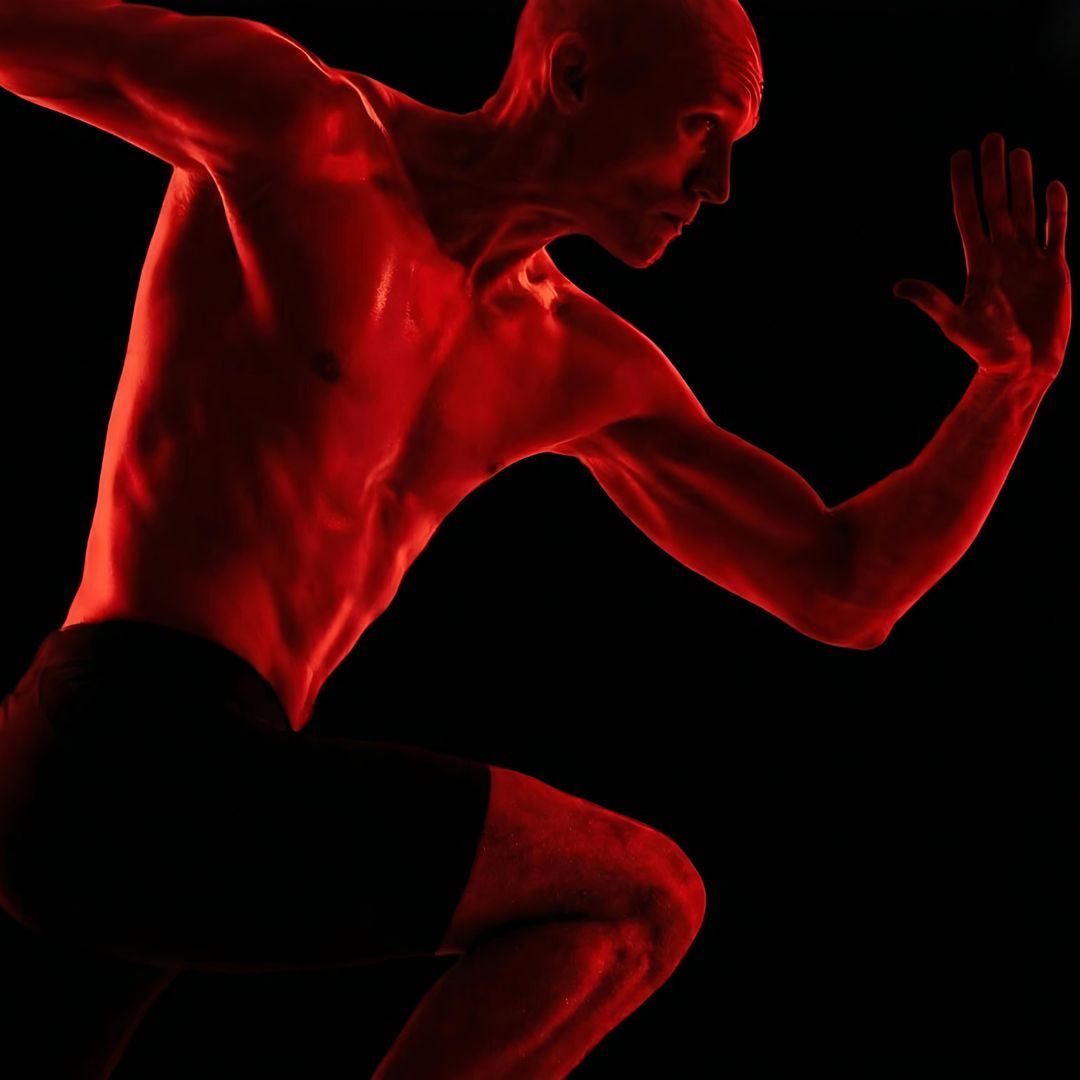
Photobiomodulation, often referred to as red light therapy, uses visible red light and near-infrared light to support biological function without damaging skin or DNA. Unlike ultraviolet light, these wavelengths are non-ionizing and gentle, making them suitable for repeated use.
The principle is simple. When cells absorb the correct wavelengths, they are able to produce energy more efficiently and regulate stress responses more effectively.
Cellular Energy and Mitochondrial Function
Inside each cell, mitochondria convert nutrients into ATP, the energy that powers repair, regeneration, and daily function. Red and near-infrared light are absorbed by light-sensitive components within the mitochondria, supporting this energy process.
This interaction helps explain why light therapy is commonly associated with improvements in skin vitality, physical recovery, and overall tissue comfort when used consistently.
Circulation and Tissue Support
Light therapy is also linked to vascular signaling pathways that influence circulation. Healthy circulation supports oxygen and nutrient delivery to tissue while helping remove metabolic waste. This is why red and near-infrared light are often used in routines focused on skin tone, post-exercise recovery, and joint or muscle comfort.
Rather than forcing change, light therapy supports the body’s existing systems so they can function more efficiently.
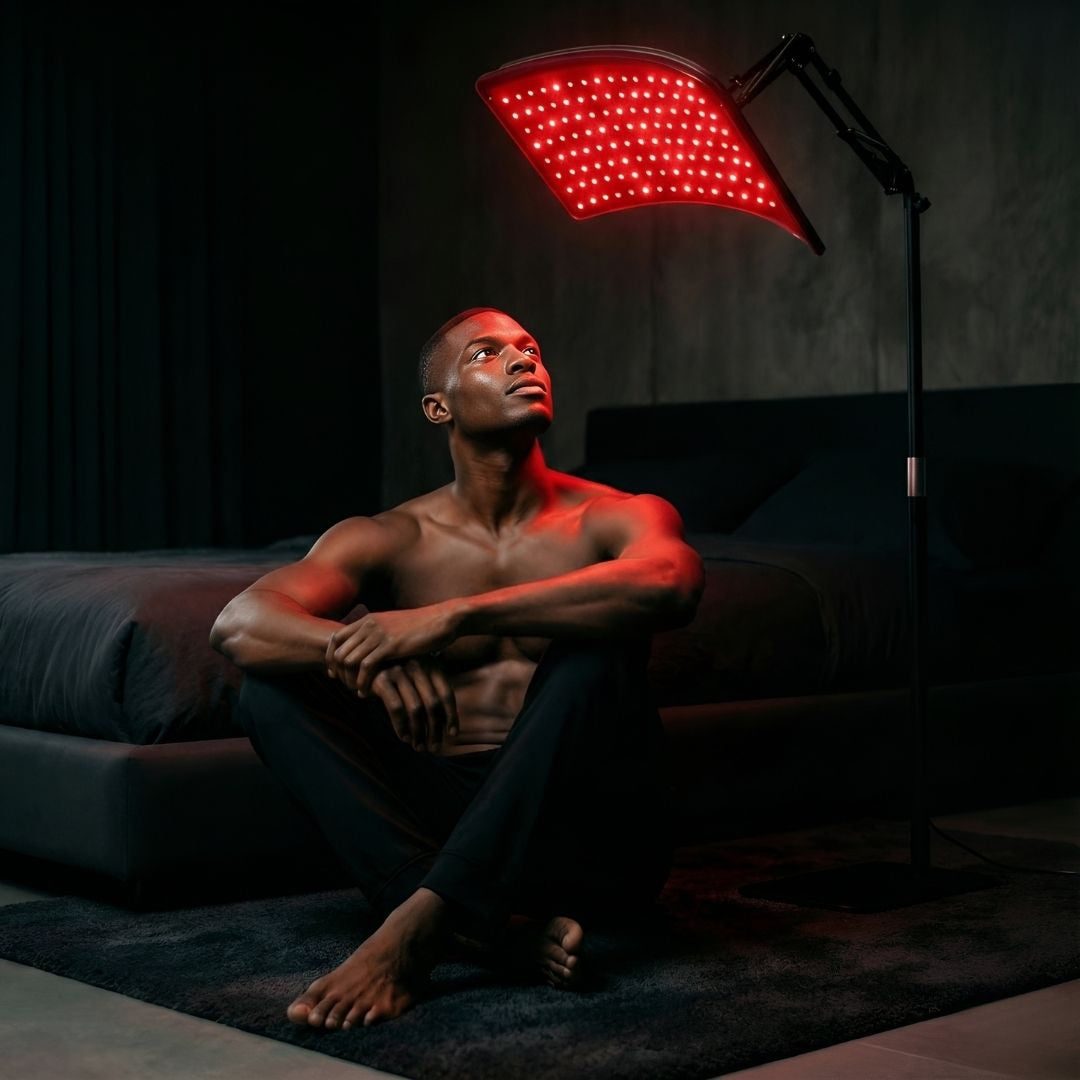
Inflammation and Balance
Inflammation is a necessary part of repair, but problems arise when it becomes chronic or unbalanced. Red and near-infrared light are studied for their ability to support a healthier inflammatory response, which can influence skin clarity, redness, recovery time, and tissue comfort.
The goal is balance, not suppression.
Why Wavelength Matters
Not all red light is the same. Biological response depends on precise wavelengths, controlled exposure, and even light distribution. Generic LED devices often lack the consistency required to create meaningful biological impact.
Restore Red focuses on wavelength ranges most commonly associated with photobiomodulation outcomes, delivered in a controlled and repeatable way.
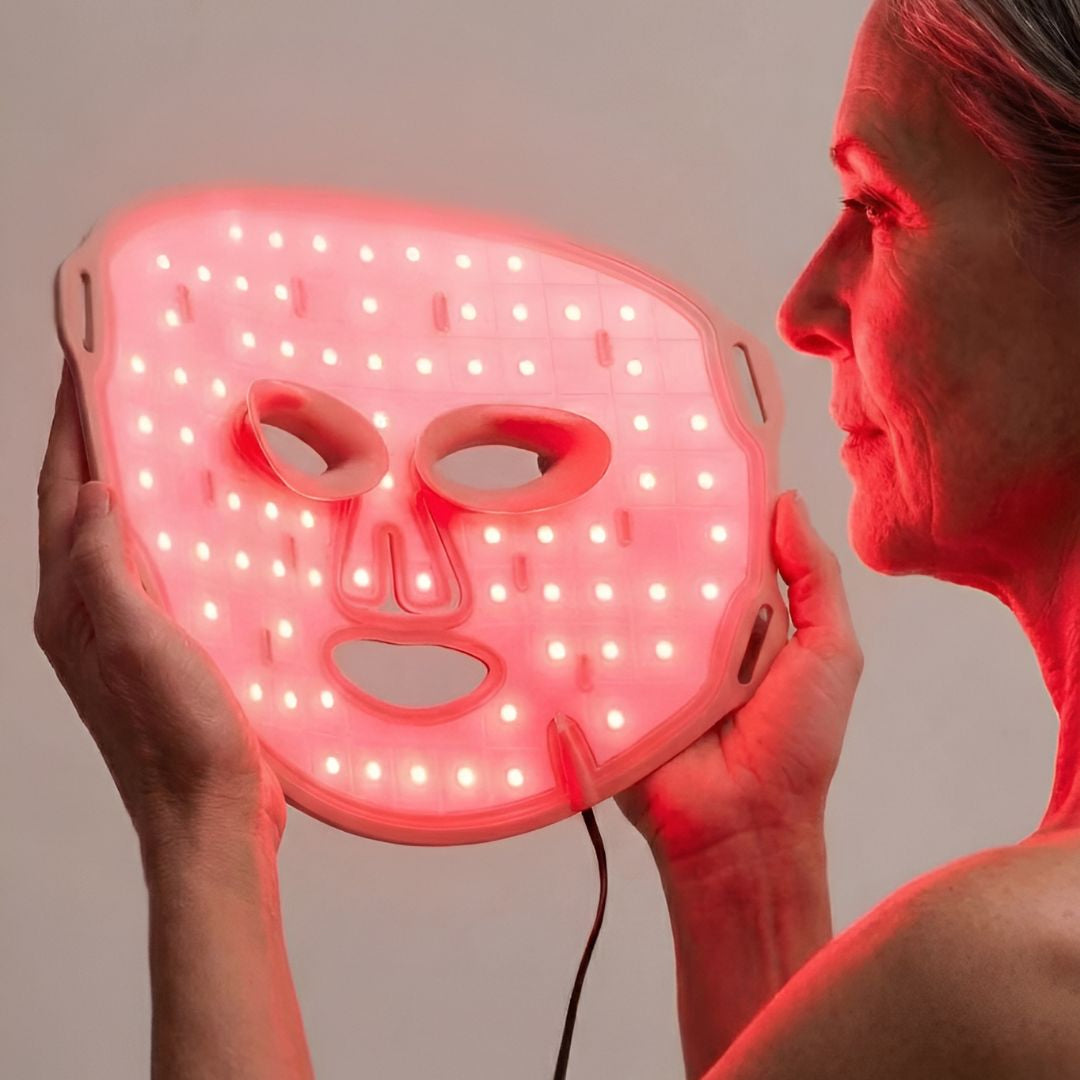
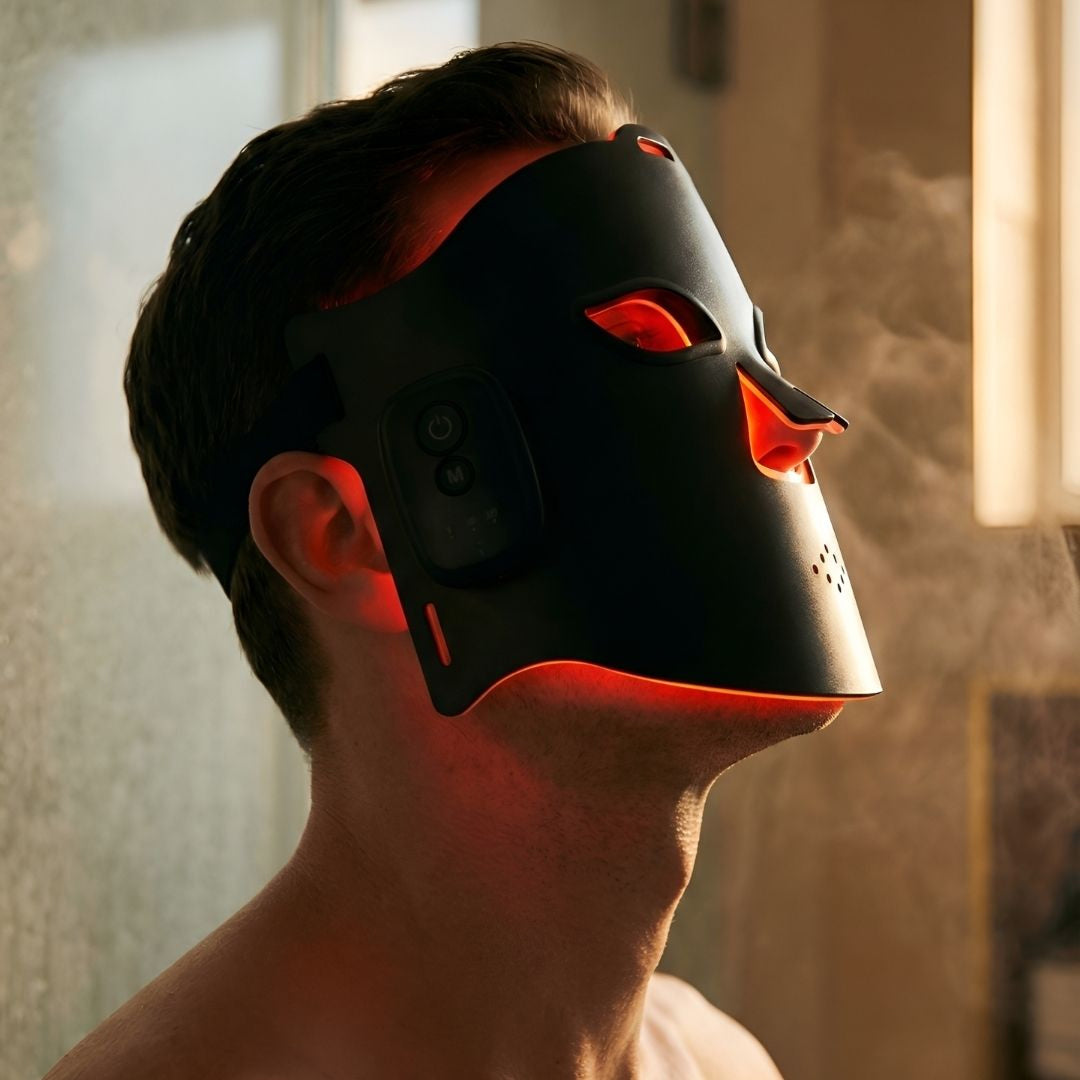
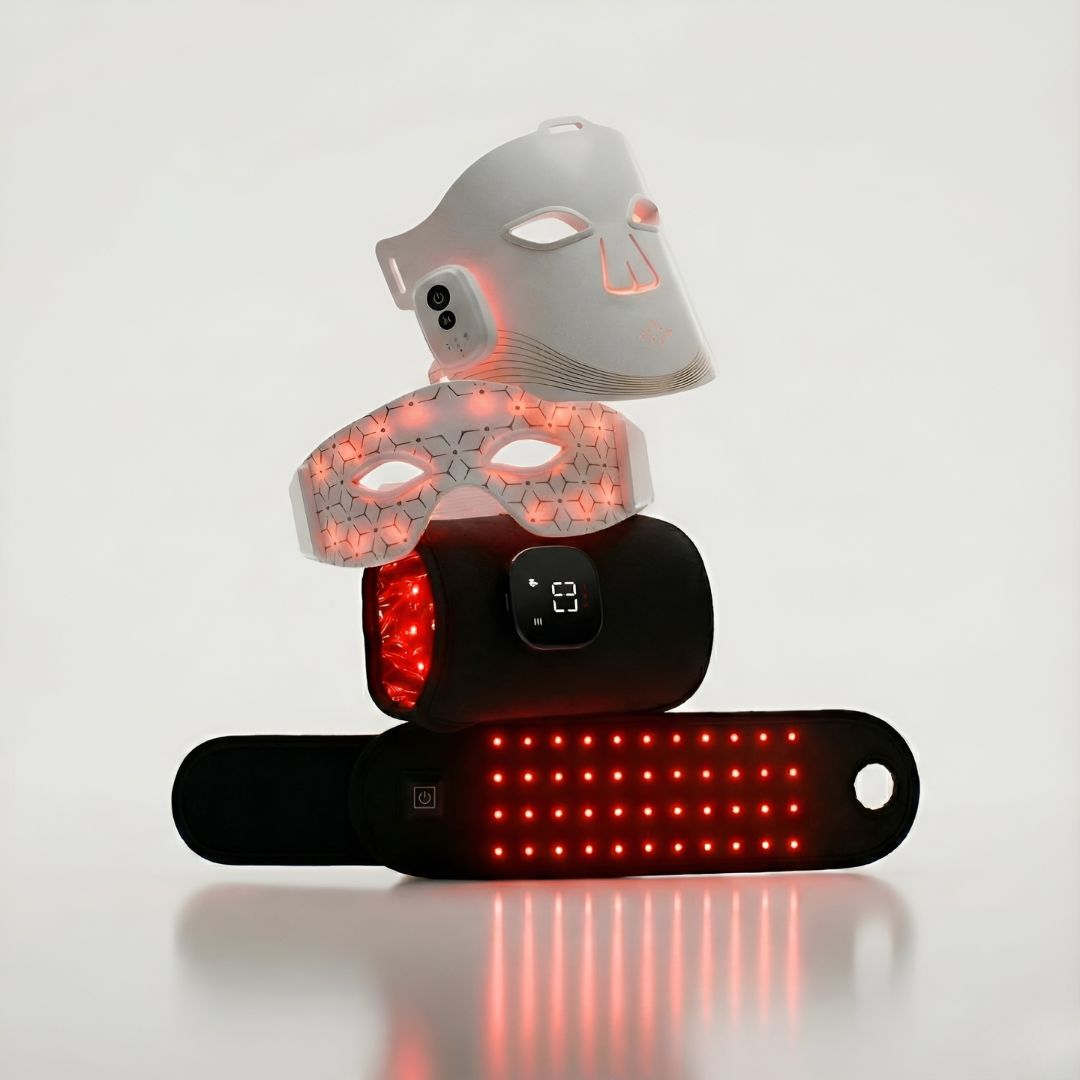
Near-infrared light penetrates deeper into tissue than visible red light. Because of this depth, it is commonly associated with muscle recovery, joint comfort, and deeper tissue support. Near-infrared light allows Restore Red devices to address both surface-level and deeper biological processes within the same system.
Near-infrared wavelengths are invisible to the human eye but penetrate deeper into tissue than visible red light. Because of this depth, near-infrared light is commonly associated with deeper biological support, including muscle recovery, joint comfort, and circulation-related processes. Its ability to reach beyond the surface makes it a core component of routines focused on physical recovery, tissue resilience, and whole-body wellness.

Light therapy is not about instant change. It is about supporting the systems that sustain skin health, recovery, and resilience over time. Restore Red exists to make that science accessible, refined, and effective in real life.
3,800 ★★★★★ Reviews
Trusted by Optimizers Worldwide
Scroll to see more before and afters.


